
आवाज़ बैठना का इलाज हरदोई | Hoarse Voice Treatment | गला बैठना
Prime ENT Center Hardoi में विशेषज्ञ Voice Care और Speech Therapy
ENGLISH VERSION of आवाज़ बैठना हरदोई
Understanding “Gala Baithna” (Hoarseness): A Comprehensive Patient Guide
“Gala baithna” or “Aawaz baithna” are common Hindi terms used to describe hoarseness or dysphonia—a symptom characterized by a rough, harsh, breathy, or strained quality to the voice. Whether you are a teacher in Hardoi struggling to address your students, a farmer shouting across fields, or simply someone recovering from a seasonal cold, losing your voice can be deeply frustrating and professionally distressing.
The voice is produced by the vibration of two vocal cords (vocal folds) located within the larynx (voice box). When air from the lungs passes through the closed vocal cords, they vibrate to produce sound. Any condition that affects the smooth movement, closure, or vibration of these cords results in hoarseness. While most cases are temporary and caused by simple viral infections, persistent voice changes lasting beyond 3 weeks can signal serious underlying conditions—ranging from vocal nodules (common in teachers) to laryngeal malignancy (cancer).
At Prime ENT Center Hardoi, we use modern diagnostic tools like flexible nasolaryngoscopy and videostroboscopy to pinpoint the exact cause and develop personalized treatment plans. This comprehensive guide helps you understand when home care is sufficient and when specialist ENT evaluation becomes essential.
Section 1: Understanding the Causes – Why Does the Voice Change?
Hoarseness arises from various conditions affecting the structure or function of the laryngeal mechanism. We can organize these into five main categories:
A. Acute Laryngitis (Infection)
This is the most common cause of sudden voice loss, typically viral in origin.
Viral Infection: Most acute cases are caused by viruses such as Rhinovirus, Coronavirus, Influenza, or Adenovirus—the same pathogens responsible for the common cold. The vocal cords become red (hyperemic), swollen (edematous), and coated in thick mucus. The swelling prevents smooth vibration, resulting in the characteristic “raspy” voice.
Bacterial Infection: Less common, but bacteria like Haemophilus influenzae or Streptococcus pneumoniae can cause severe inflammation and pus formation. This typically occurs after a viral infection has weakened the mucosa.
Fungal Laryngitis: This typically affects individuals who use steroid inhalers for asthma without rinsing their mouth afterward, or those with diabetes or weakened immune systems. Candida (oral thrush) colonizes the vocal cords, causing white patches, irritation, and hoarseness.
B. Chronic Laryngitis and Irritants
When hoarseness persists beyond 2-3 weeks, long-term irritation is usually the culprit.
Smoking and Alcohol: Chronic exposure to tobacco smoke and alcohol causes persistent inflammation of the vocal cord mucosa. In long-term smokers (>20 pack-years), the vocal cords can become boggy and fluid-filled—a condition called Reinke’s Edema. This dramatically lowers the pitch of the voice and can take months to resolve even after quitting.
Laryngopharyngeal Reflux (LPR): Often called “silent reflux,” stomach acid travels up the esophagus and spills into the throat, irritating the posterior part of the vocal cords. Patients often report morning hoarseness, a sensation of a lump in the throat (globus), and frequent throat clearing. Unlike typical heartburn, LPR may occur without typical GERD symptoms.
Occupational and Environmental Factors: In developing regions like Hardoi and surrounding districts, chronic exposure to dust, pollution (particularly from vehicle exhaust or agricultural burning), and occupational hazards (such as in factories or construction) can lead to persistent laryngeal irritation and hoarseness.
Vocal Overuse/Abuse: Teachers, singers, auctioneers, or anyone who shouts excessively without proper vocal technique places mechanical stress on the vocal cords, leading to inflammation and hoarseness.
C. Structural Lesions (Benign)
Vocal Nodules (“Screamer’s Nodes” or “Teacher’s Nodes”): These are callus-like, benign growths that appear on both vocal cords due to vocal abuse. They are exceptionally common in teachers, street vendors, children, and professional voice users. Nodules develop where the cords impact most forcefully during phonation.
Vocal Polyps: Unlike nodules, polyps are usually unilateral (one-sided) and arise from a single episode of trauma—such as a weekend of intense shouting causing a small blood vessel to rupture (hemorrhage). The resulting fluid collection forms a polyp. Smokers are at higher risk.
Vocal Cysts: These are fluid-filled sacs within the vocal cord structure, often caused by blocked mucus glands (retention cysts) or epithelial inclusion cysts. They cause persistent hoarseness and may require surgical removal if they don’t resolve with voice rest.
Vocal Scarring (Sulcus Vocalis): Recurrent trauma or previous surgery can lead to permanent scarring of the vocal cord mucosa, resulting in a permanently breathy, weak voice.
D. Neurological Causes
Vocal Cord Paralysis: If the nerve controlling the vocal cord—the Recurrent Laryngeal Nerve (RLN)—is damaged due to thyroid surgery, esophageal surgery, aortic aneurysm, or viral infections (such as Varicella Zoster virus), the vocal cord cannot move. This results in a weak, breathy voice because the cords cannot close completely during phonation.
Muscle Tension Dysphonia (MTD): Excessive tension in the laryngeal muscles and surrounding neck structures (often stress-related) prevents efficient vocal cord vibration, causing hoarseness and voice fatigue.
E. Malignancy (Cancer)
Laryngeal Carcinoma: Persistent hoarseness lasting longer than 3 weeks, especially in a patient with a history of heavy smoking or alcohol use over age 40, must be investigated to exclude laryngeal cancer. Unlike infections, malignancy is typically painless in early stages but causes progressive, persistent voice loss. Early detection via flexible nasolaryngoscopy has dramatically improved cure rates.
Section 2: Recognizing the Symptoms
Patients usually present with a change in voice quality, but associated symptoms help the clinician determine the underlying cause:
Voice Changes:
- Rough/Raspy Voice: Typical of laryngitis or early malignancy.
- Breathy Voice: Suggests the vocal cords are not closing properly (seen in paralysis, large nodules, or polyps).
- Weak Voice: Reduced volume; common in paralysis, severe nodules, or neurological conditions.
- Strained Voice: Excessive effort to produce sound; characteristic of muscle tension dysphonia.
Associated Symptoms:
- Pain (Odynophagia): Pain while speaking or swallowing suggests acute infection or ulceration. Mild discomfort is common; severe pain warrants urgent evaluation.
- Stridor: A high-pitched noisy breathing sound indicates the airway is narrowing. This is a danger sign requiring immediate hospital attention.
- Muffled Voice (“Hot Potato Voice”): A “voice in the mouth” quality suggests a problem above the vocal cords—such as a peritonsillar abscess or supraglottitis (epiglottis swelling)—and is a medical emergency.
- Dysphagia (Difficulty Swallowing): Difficulty with solids, liquids, or saliva suggests dysmotility of the pharynx or esophagus.
- Throat Clearing/Cough: Persistent dry cough or frequent throat clearing can traumatize the vocal cords and worsen hoarseness.
- Voice Fatigue: Voice becomes progressively worse throughout the day; suggests overuse or neurological dysfunction.
Section 3: Diagnostic Procedures – What to Expect at an ENT Center
If you visit Prime ENT Center Hardoi or any ENT specialist for hoarseness (gala baithna), the following examinations may be performed:
A. Detailed History
The doctor will ask about:
- Onset: Was it sudden (minutes/hours) or gradual (days/weeks)?
- Duration: How long has it persisted?
- Associated Triggers: Shouting, cold, smoking, acid reflux, stress?
- Smoking and Alcohol History: Pack-years of smoking and daily alcohol consumption.
- Occupational/Vocal Use: Teacher? Singer? Public speaker?
- Systemic Symptoms: Fever, weight loss, difficulty swallowing, breathing changes?
Key Clinical Rule: Any hoarseness lasting longer than 3 weeks must be examined with laryngoscopy to exclude malignancy.
B. Indirect Laryngoscopy (Mirror Exam)
This is a simple office procedure. The doctor holds the patient’s tongue with a piece of gauze and places a small angled mirror against the soft palate to view the vocal cords. The patient is asked to say “eeee” to check cord movement. While less detailed than modern endoscopy, it remains valuable for quick assessment in resource-limited settings.
C. Flexible Nasolaryngoscopy (Gold Standard)
This is the gold standard for diagnosis in the outpatient setting. A thin, flexible fiberoptic tube (endoscope) with a camera is passed gently through the nose to get a clear, magnified, live view of the vocal cords and surrounding structures. It allows the doctor to:
- Assess vocal cord color, swelling, and symmetry
- Evaluate vocal cord movement (abduction and adduction)
- Identify nodules, polyps, cysts, scarring, or masses
- Observe the patient’s natural voice during conversation (functional assessment)
This procedure is painless with topical anesthesia and takes 2-3 minutes. It is now routinely available at Prime ENT Center Hardoi.
D. Videostroboscopy
For professional voice users or when subtle mucosal lesions are suspected, stroboscopy uses a flashing light synchronized with the vocal cord vibration. This allows visualization of the mucosal wave (the ripple of the vocal cord surface) in slow motion. Videostroboscopy helps differentiate:
- Cysts vs. nodules vs. polyps
- Scarring and mucosa rigidity
- Early malignant changes
- Functional dysphonia vs. organic pathology
Section 4: Treatment and Management
Treatment depends entirely on the underlying cause. The following is a graded approach from conservative to surgical:
A. General Measures and Home Care
For acute viral laryngitis or mild vocal strain, conservative management is often sufficient:
Voice Rest: This is the most powerful intervention. Patients should avoid shouting, whispering (which actually strains the throat more than normal speech), and excessive talking. Absolute silence for 48 hours is ideal for acute cases; written communication is preferable.
Steam Inhalation: Inhaling steam from a bowl of hot water (or a humidifier) helps liquefy sticky secretions and soothe the inflamed mucosa. Adding Tincture Benzoin, Menthol, or Eucalyptus oil provides additional soothing effects.
Hydration: Drinking plenty of water (8-10 glasses daily) maintains the lubrication of the vocal cords. The mucosal wave requires adequate hydration of the mucosa to vibrate smoothly.
Avoid Irritants: Stop smoking immediately. Avoid spicy foods, hot liquids, and alcohol if acid reflux is suspected. Reduce caffeine intake, as it is a diuretic and dries the throat.
Humidity: Using a room humidifier, especially during dry winter months, prevents the nasal and laryngeal mucosa from drying out.
B. Medical Management
Antibiotics: These are only prescribed if there is confirmed bacterial infection (indicated by high fever, purulent sputum, and severe systemic symptoms). They are not effective for viral laryngitis and should not be used empirically.
Corticosteroids: Systemic steroids (e.g., Prednisolone 30-60 mg daily for 5-7 days) are potent anti-inflammatories. They are used in:
- Severe cases of swelling to improve the airway
- Professional voice users who must perform within 48 hours
- Croup in children (with caution)
However, steroids should be used cautiously, as they can mask serious underlying pathology and carry side effects with prolonged use.
Anti-Reflux Medication: Proton Pump Inhibitors (PPIs) like Omeprazole (20 mg) or Pantoprazole (40 mg) are prescribed for laryngopharyngeal reflux (LPR). These should be taken for 2-3 months and combined with lifestyle modifications (avoid lying down within 3 hours of eating, elevate head of bed, avoid acidic foods).
Cough Suppressants: Medications containing codeine linctus or dextromethorphan can help suppress a dry, irritating cough that traumatizes the vocal cords.
C. Voice Therapy (Speech Therapy)
For conditions caused by misuse of the voice—such as vocal nodules, polyps, or muscle tension dysphonia—speech therapy is often the first-line treatment and should precede surgery.
Behavioral Modification: A speech-language pathologist teaches the patient how to produce voice efficiently without strain. Techniques include:
- Proper breathing during phonation
- Avoiding hard glottal attacks (the “uh-uh” sound at the start of words)
- Reducing excessive throat clearing
- Using a comfortable pitch (not too high or too low)
- Improving posture and neck relaxation
Voice Hygiene: Learning to avoid trauma to the cords:
- Not shouting or whispering
- Using a microphone in teaching/public speaking
- Taking regular voice breaks
- Staying hydrated
Outcome: Early/soft nodules often resolve completely with speech therapy alone. Polyps may regress, and muscle tension dysphonia improves significantly.
D. Surgical Treatments
Surgery is reserved for structural lesions that do not respond to therapy or for malignancy.
Microlaryngoscopy (MLS): This is a precise surgery performed under general anesthesia using an operating microscope. Small instruments or a CO₂ laser are used to remove polyps, cysts, and resistant nodules while preserving the delicate vocal ligament. Modern laser techniques (such as KTP laser or CO₂ laser) minimize scarring.
Injection Laryngoplasty: For patients with vocal cord paralysis, a filler material (such as fat, collagen, hyaluronic acid, or calcium hydroxylapatite) is injected into the paralyzed cord to bulk it up. This allows the working cord to meet it during phonation, improving voice strength and preventing aspiration.
Thyroplasty (Framework Surgery): For permanent paralysis unresponsive to injection, a window is cut in the thyroid cartilage (Adam’s apple), and an implant (silicone or Gore-Tex) is placed to permanently push the paralyzed cord toward the midline, improving voice and preventing aspiration.
Section 5: Special Conditions
Pediatric Hoarseness (Children)
Vocal Nodules: The most common cause in children (“screamer’s nodes”). They are usually bilateral and develop as a result of shouting, crying, or loud play. Treatment is almost always speech therapy and parental counseling; surgery is rarely needed.
Juvenile Recurrent Papillomatosis (JRP): Caused by HPV (Human Papillomavirus) types 6 and 11, this causes warty growths on the vocal cords. It presents with hoarseness and can lead to stridor (airway obstruction). It requires repeated surgical removal (debridement), often using a microdebrider or laser. The condition can persist into adulthood in some cases.
Croup: Common in young children with viral laryngotracheobronchitis (typically Parainfluenza virus). Presents with a barky, seal-like cough and stridor. Usually self-limiting; steroids can hasten recovery.
Laryngeal Cancer
In the region surrounding Hardoi, tobacco use (smoking or chewing) is a significant risk factor for laryngeal cancer.
Red Flags for Cancer:
- Persistent hoarseness lasting >3 weeks
- History of heavy smoking (>20 pack-years)
- Age >40 years
- Associated symptoms: dysphagia, neck mass, otalgia, weight loss
Diagnosis: Any suspicious appearance on laryngoscopy (ulcerative, proliferative, or non-healing lesion) requires a biopsy under general anesthesia.
Prognosis and Treatment:
- Early Cancer (T1/T2): Can be cured with radiation therapy or laser surgery with excellent voice preservation (cure rates 85-95%).
- Advanced Cancer: May require partial or total laryngectomy (removal of the voice box). Rehabilitation after laryngectomy involves learning esophageal speech or using a tracheoesophageal puncture (TEP) valve to speak.
Section 6: When to Visit a Specialist in Hardoi (Red Flags)
You should not rely solely on home remedies and must see a specialist immediately if you notice:
✓ Hoarseness lasting longer than 2-3 weeks without improvement
✓ Difficulty in breathing (stridor) or noisy breathing
✓ Coughing up blood (hemoptysis)
✓ Difficulty swallowing (dysphagia) or neck pain
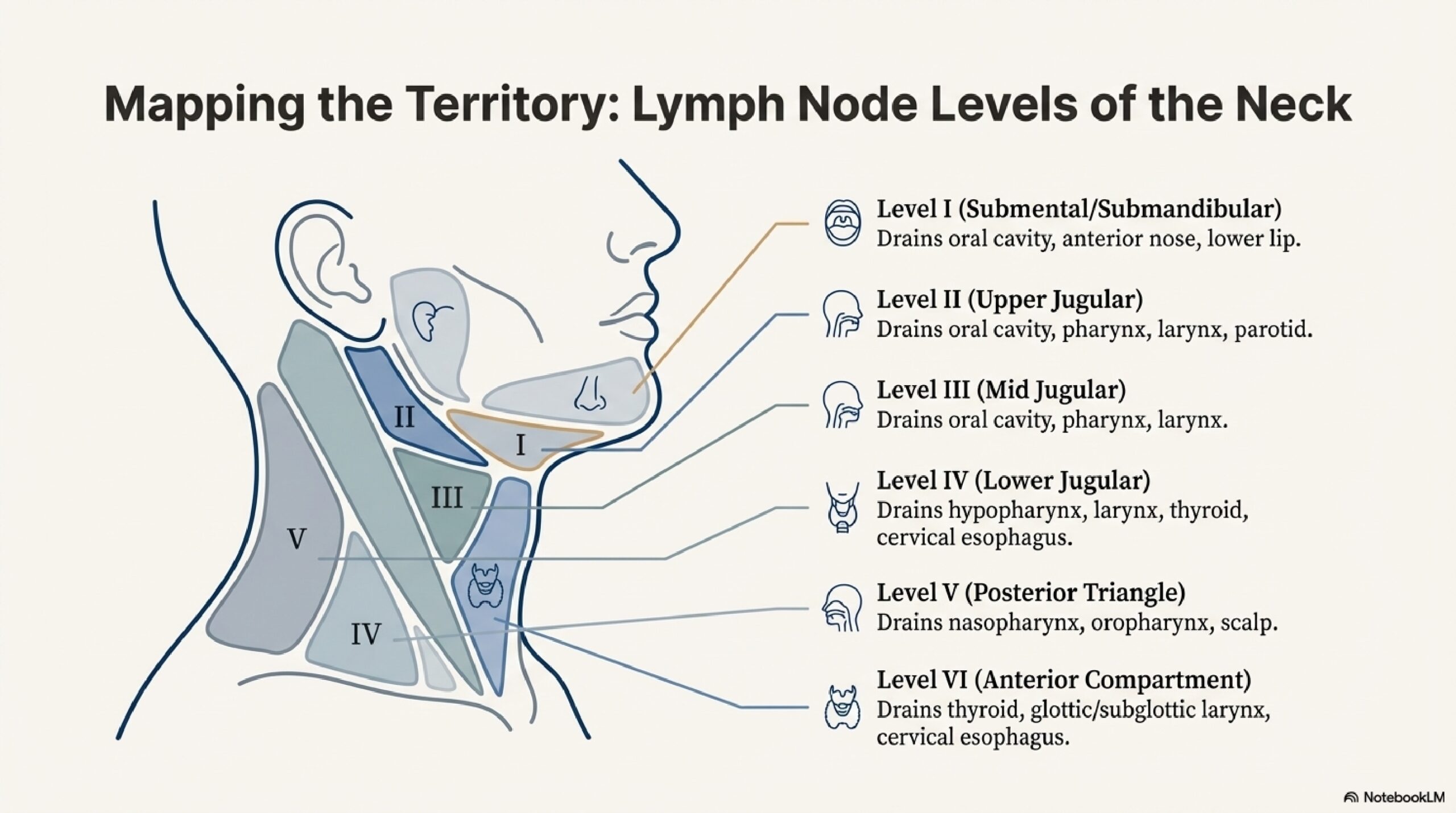
✓ A lump in the neck
✓ History of heavy smoking, alcohol use, or asbestos exposure
✓ Voice changes in children persisting >2 weeks
✓ Complete voice loss (aphonia)
✓ Severe pain or fever accompanying hoarseness
Section 7: Prevention – Vocal Hygiene (आवाज़ की देखभाल)
To prevent “gala baithna,” adopt these evidence-based habits:
Hydration: Drink 8–10 glasses of water daily. Adequate hydration is the single most important preventive measure.
Warm Ups: If you are a singer, teacher, or professional voice user, warm up your voice before use. Gentle humming for 5 minutes before teaching or performing reduces vocal trauma.
Avoid Clearing Throat: Throat clearing slams the vocal cords together violently. Instead, take a sip of water or swallow hard.
Manage Acid Reflux: Do not eat late at night or within 3 hours before bed to prevent reflux. Elevate the head of your bed by 30 degrees if reflux is a problem.
Humidify: Use steam inhalation during dry winter months or if you work in air-conditioned environments.
Avoid Smoking and Secondhand Smoke: Smoking is the single most modifiable risk factor for chronic laryngeal disease.
Use a Microphone: If you are a teacher, speaker, or singer, use a microphone to reduce vocal strain.
Take Voice Breaks: In professions requiring extensive voice use, take regular breaks to rest the voice.
Conclusion: The “Vibrating Wire” Analogy
Think of your vocal cords as two delicate wires vibrating to produce sound. The smoothness and clarity of the vibration depend on:
- Proper lubrication (hydration)
- Freedom from irritants (smoking, reflux, pollution)
- Correct tension (not too tight, not too loose—achieved through proper breathing and technique)
- Intact structure (no swelling, scarring, or growths)
- Intact nerve supply (the recurrent laryngeal nerve)
When winter cold, a viral infection, or vocal overuse disrupts any of these factors, the wires become inflamed, stiff, or coated in mucus, producing the characteristic harsh, raspy sound of hoarseness. Rest, hydration, and voice care allow these “wires” to vibrate smoothly once more.
However, if the voice does not recover after 3 weeks, or if you have any of the red flag symptoms mentioned above, do not wait—visit Prime ENT Center Hardoi immediately for a professional evaluation. Early detection of serious conditions can save your voice and, in cases of malignancy, can be lifesaving.
Contact Information
Prime ENT Center, Hardoi
📍 Nagheta Road, Near Railway Station
Hardoi, Uttar Pradesh 241001
📞 +91-7393062200
📱 WhatsApp: +91-7393062200
Clinic Hours:
Monday–Saturday: 10:00 AM – 8:00 PM
Sunday: Closed
Emergency: Available on call
Doctors:
- Dr. Prateek Porwal – MBBS, DNB ENT (Tata Main Hospital), 15+ years experience
- Dr. Harshita Singh – MBBS, DNB ENT (Tata Main Hospital), Fellowship in Rhinology & Skull Base Surgery, 12+ years experience
HINGLISH VERSION
आवाज़ बैठना (Hoarse Voice): Complete Guide – Karan, Lakshan, aur Ilaaj
“Gala baithna,” “aawaz baithna,” ya “aawaz bhari hona” – yeh Hindi mein kehte hain voice hoarseness ko, jisse ek rough, harsh, ya breathy quality aati hai voice mein. Chahe aap Hardoi mein teacher ho jo din-bhar class le rahe ho, ya koi bhi normal activity kar rahe ho aur achanak aawaz baith gayi—yeh situation bahut frustrating hoti hai.
Voice banती है vocal cords (vocal folds) के vibration se, jo larynx (voice box) ke andar hote hain. Jab lungs se air vocal cords ke beech se pass hoti hai aur cords tight hote hain, to vibration se sound produce hoti hai. Agar vocal cords smooth vibrate nahi kar pa rahe—to aawaz rough, breathy, ya weak lagti hai. Yeh condition “gala baithna” kehte hain aur medical terminology mein dysphonia bulate hain.
Jyadatar cases ek-do hafte mein khud hi theek ho jate hain (simple cold ke baad), lekin agar aawaz 3 hafte se zyada baithी hui hai, to seriousness check karna padta hai—kyunki vocal nodules (teachers ko zyada hote hain), nasal polyps, reflux, ya cancer jaise serious conditions ho sakte hain.
At Prime ENT Center Hardoi, hum flexible nasolaryngoscopy aur videostroboscopy use karte hain—modern diagnostic tools jo exactly batate hain ki problem kya hai.
Section 1: Karan (Causes) – Aawaz Kyun Baithti Hai?
Vocal cord problem ki wajah se aawaz baithti hai. Problems alag-alag ho sakti hain:
A. Acute Laryngitis (Sudden Infection)
Sabse zyada common cause. Jyadatar viral hote hain (cold, flu, coronavirus).
Viral Infection: Rhinovirus, Influenza, Adenovirus ke karan vocal cords red, swollen, aur mucus se cover ho jate hain. Swelling se smooth vibration nahi ho pati, isliye aawaz rough lagti hai.
Bacterial Infection: Kam common, lekin Streptococcus ya Haemophilus jaise bacteria severe inflammation kar sakte hain. Usually viral ke baad happen hote hain.
Fungal Laryngitis: Jo log steroid inhaler (asthma spray) bina mouth rinse kiye use karte hain, unhe Candida (fungal thrush) ho sakta hai. Vocal cords par white patches padh jate hain.
B. Chronic Laryngitis (Long-term Problems)
Agar aawaz 2-3 hafte se baithी hai, to long-term irritation ho sakta hai.
Smoking aur Alcohol: Chronic smoke se vocal cord swelling, aur long-term case mein Reinke’s Edema (vocal cord boggy hona, fluid-filled hona) ho sakta hai. Voice deep ho jata hai aur recovery months lag sakta hai.
Silent Reflux (LPR): Stomach acid throat mein jaati hai, vocal cords ko irritate karti hai. Morning mein aawaz zyada baithi hoti hai.
Dust, Pollution, Occupational Exposure: Hardoi aur surrounding areas mein dust, pollution, factory work se vocal cord irritation ho sakta hai.
Aawaz Ka Overuse: Teachers, hawkers, singers—jo log din-bhar loud bolte hain—unhe vocal trauma ho sakta hai, nodules ya polyps ban sakte hain.
C. Structural Growths (Lumps/Bumps)
Vocal Nodules (“Screamer’s Nodes”): Callus-like bumps jo dono vocal cords par ban jate hain excessive shouting se. Teachers, hawkers, aur loud-voice profession wale logo mein common hota hai.
Vocal Polyps: Ek taraf ka fluid-filled bump, usually ek episode of harsh shouting ke karan. Smokers ko zyada risk.
Vocal Cysts: Fluid-filled sacs vocal cords ke andar. May require surgery if persistent.
D. Nerve-Related Problems
Vocal Cord Paralysis: Agar recurrent laryngeal nerve (vocal cord ko control karne wali nerve) damage ho jaye—thyroid surgery, tumor, ya viral infection se—to vocal cord move nahi kar pata. Voice breathy aur weak ho jata hai.
Muscle Tension Dysphonia: Excessive tension laryngeal muscles mein, usually stress se. Voice breathy aur strained ho jata hai.
E. Cancer (Malignancy)
Hoarseness 3 hafte se zyada + heavy smoking history = RED FLAG. Cancer usually painless hote hain early stage mein, lekin progressive voice loss hoti hai. Age >40 + smoking history + persistent hoarseness = URGENTLY evaluate with laryngoscopy.
Section 2: Lakshan (Symptoms)
Voice Quality Changes:
- Rough/Raspy: Laryngitis ya early cancer
- Breathy: Vocal cord paralysis, large nodules/polyps
- Weak: Paralysis, severe nodules
- Strained: Muscle tension
Other Symptoms:
- Pain Swallowing (Odynophagia): Acute infection ka sign
- Stridor (Noisy Breathing): EMERGENCY—airway narrowing
- Difficulty Swallowing: Serious condition
- Voice Fatigue: Day ke sath voice worse
- Throat Clearing/Cough: Vocal cord trauma ka sign
Section 3: Diagnosis – Doctor Ke Paas Kya Check Hota Hai?
Prime ENT Center Hardoi mein ye procedures hote hain:
A. History: Onset (sudden ya gradual), duration, smoking, occupation, fever?
B. Mirror Exam (Indirect Laryngoscopy): Simple clinic procedure, vocal cord dekh sakte hain
C. Flexible Nasolaryngoscopy (Gold Standard): Thin camera nose se pass karke live view vocal cords ka. Painless, 2-3 minutes, best method.
D. Videostroboscopy: Professional voice users ke liye—vocal cord vibration ko slow motion mein dekha ja sakta hai.
Section 4: Ilaaj (Treatment)
A. Home Care (Ghar Par Kya Kare)
Voice Rest: Sabse important. Chup rahe, whisper na kare, kam se kam bolein.
Steam: Hot water se steam lein, Eucalyptus oil add kare to better.
Water: Daily 8-10 glass paani piein.
Avoid: Smoking, spicy food, alcohol, late-night eating.
Humidity: Rainy season mein humidifier use kare.
B. Medicines
Antibiotics: Sirf bacterial infection mein (fever + yellow sputum). Viral mein useless.
Steroids: Severe swelling par (Prednisolone 30 mg x 5-7 days), professional voice users ke liye.
Reflux Medicine: PPI (Omeprazole/Pantoprazole) LPR ke liye 2-3 months.
Cough Suppressants: Dry cough ko control karte hain.
C. Voice Therapy (Speech Therapy)
Nodules, polyps, muscle tension → Speech therapy FIRST, surgery nahi (agar early stage ho).
Speech therapist:
- Proper breathing technique sikhate hain
- Vocal overuse avoid karne ke tricks
- Throat clearing reduce karte hain
- Correct pitch aur technique sikhate hain
Outcome: Early nodules thik ho jate hain sirf speech therapy se!
D. Surgery
Agar conservative treatment fail ho:
Microlaryngoscopy (MLS): Microscope se cysts, polyps, persistent nodules remove karte hain. Modern laser (CO₂, KTP) use hote hain.
Injection Laryngoplasty: Paralyzed vocal cord ko bulk karte hain filler material se (collagen, fat, hyaluronic acid).
Thyroplasty: Permanent paralysis mein—thyroid cartilage mein window banake implant lagaate hain.
Section 5: Special Conditions
Children (Bachchon Mein):
- Vocal nodules (“screamer’s nodes”) → speech therapy sufficient
- Croup (viral) → usually self-limiting
- Papillomatosis (HPV) → needs repeated surgery
Cancer:
- Persistent hoarseness >3 weeks + smoking = CANCER CHECK MANDATORY
- Early stages (T1/T2) → 85-95% cure with radiation or laser
- Advanced → may need laryngectomy
Section 6: Red Flags – Kab Directly Doctor Ke Paas Jaye?
✓ Hoarseness >2-3 weeks
✓ Difficulty breathing (stridor)
✓ Coughing blood
✓ Difficulty swallowing
✓ Neck lump
✓ Heavy smoking history
✓ Complete voice loss
✓ Severe pain
Section 7: Prevention (Rokthaam)
Hydration: 8-10 glass paani daily—MOST IMPORTANT
Warm Up: Teachers/singers—5 min humming before use
No Throat Clearing: Paani piye instead
Reflux Control: Late night khana nahi
Humidity: Winter mein humidifier use kare
No Smoking: Biggest risk factor
Microphone: Teachers/speakers ko use karna chahiye
Voice Breaks: Regular breaks lo
Conclusion
Vocal cords ko delicate “vibrating wires” samjho. Smooth vibration ke liye:
- Proper hydration ✓
- No irritants (smoking, reflux) ✓
- Correct technique ✓
- Intact structure (no damage) ✓
- Intact nerve supply ✓
Agar ye sabhi theek ho to aawaz clear rehti hai. Rest, water, aur voice care se most cases thik ho jate hain.
Lekin agar 3 hafte se zyada persist kare ya red flags dekho → IMMEDIATELY Prime ENT Center Hardoi mein aao!
HINDI VERSION
आवाज़ बैठना का संपूर्ण गाइड: कारण, लक्षण और इलाज
“गला बैठना” या “आवाज़ बैठना” एक आम समस्या है जिसमें आवाज़ खुरदुरी, कर्कश, या कमजोर हो जाती है। चाहे आप हरदोई में शिक्षक हों, किसान हों, या सर्दी के बाद आवाज़ खराब हुई हो—यह स्थिति बेहद निराशाजनक हो सकती है।
आवाज़ आवाज़ की डिब्बी (larynx) के अंदर स्थित दो तारों (vocal cords) के कंपन से बनती है। जब फेफड़ों से हवा इन तारों से गुजरती है और वे तना हुआ हों, तो कंपन से आवाज़ निकलती है। यदि ये तार सुचारु रूप से कंपन नहीं कर सकते, तो आवाज़ खुरदुरी, कमजोर, या सीटी वाली हो जाती है। इसी स्थिति को “गला बैठना” या चिकित्सा भाषा में डिसफोनिया (dysphonia) कहते हैं।
अधिकांश मामलों में, सर्दी या संक्रमण के बाद आवाज़ एक-दो हफ्ते में अपने आप ठीक हो जाती है। लेकिन यदि आवाज़ 3 हफ्ते से अधिक समय तक खराब रहे, तो विशेषज्ञ परामर्श आवश्यक है—क्योंकि गंभीर स्थितियां (जैसे गांठें, पॉलिप्स, या कैंसर) हो सकती हैं।
Prime ENT Center Hardoi में हम आधुनिक निदान सरंजाम (flexible nasolaryngoscopy और videostroboscopy) का उपयोग करके सटीक कारण का पता लगाते हैं और व्यक्तिगत उपचार योजना बनाते हैं।
खंड 1: कारण (Causes)
A. तीव्र स्वरयंत्र शोथ (Acute Laryngitis)
सबसे आम कारण। आमतौर पर वायरल संक्रमण (सर्दी, फ्लू) से होता है।
वायरल संक्रमण: राइनोवायरस, इन्फ्लूएंजा, एडेनोवायरस से आवाज़ की डिब्बी की अंदरूनी सतह सूज जाती है, लाल हो जाती है, और बलगम से ढक जाती है। सूजन के कारण आवाज़ के तार सुचारु रूप से कंपन नहीं कर सकते, इसलिए आवाज़ खुरदुरी हो जाती है।
जीवाणु संक्रमण: कम आम, लेकिन स्ट्रेप्टोकोकस या हीमोफिलस जैसे बैक्टीरिया गंभीर सूजन पैदा कर सकते हैं।
कवक संक्रमण: जो लोग स्टेरॉयड इनहेलर (अस्थमा स्प्रे) बिना मुंह धोए उपयोग करते हैं, उन्हें कैंडिडा (कवक) संक्रमण हो सकता है।
B. दीर्घकालीन स्वरयंत्र शोथ (Chronic Laryngitis)
यदि आवाज़ 2-3 हफ्ते से खराब है, तो दीर्घकालीन जलन हो सकती है।
धूम्रपान और शराब: दीर्घकालीन धूम्रपान से Reinke’s Edema (आवाज़ की डिब्बी में तरल भरा होना) हो सकता है। आवाज़ गहरी हो जाती है और ठीक होने में महीनों लग सकते हैं।
चुप्पी-भरी रिफ्लक्स (LPR): पेट का अम्ल गले में चली जाती है, आवाज़ की डिब्बी को परेशान करती है। सुबह आवाज़ ज्यादा खराब होती है।
धूल और प्रदूषण: हरदोई और आसपास के क्षेत्रों में धूल, प्रदूषण, कारखाने के धुएं से आवाज़ की डिब्बी में दीर्घकालीन जलन हो सकती है।
आवाज़ का अत्यधिक उपयोग: शिक्षकों, विक्रेताओं, गायकों—जो लोग दिन भर जोर से बोलते हैं—उन्हें आवाज़ की डिब्बी को नुकसान हो सकता है, गांठें या पॉलिप्स बन सकते हैं।
C. संरचनात्मक वृद्धि (Growths)
आवाज़ की गांठें (“Screamer’s Nodes”): कॉलस जैसी गांठें दोनों आवाज़ के तारों पर बनती हैं अत्यधिक चिल्लाने से। शिक्षकों, विक्रेताओं, और ऊंची आवाज़ वाले पेशेवरों में आम हैं।
आवाज़ के पॉलिप्स: तरल से भरी एक तरफा गांठ, आमतौर पर गंभीर चिल्लाने के एक एपिसोड से।
आवाज़ की थैली (Cysts): आवाज़ के तार के अंदर तरल से भरी थैलियां। दीर्घकालीन होने पर सर्जरी की आवश्यकता हो सकती है।
D. नसों से संबंधित समस्याएं
आवाज़ के तार का पक्षाघात: यदि Recurrent Laryngeal Nerve (आवाज़ के तार को नियंत्रित करने वाली नस) को नुकसान हो—थायरॉयड सर्जरी, ट्यूमर, या वायरल संक्रमण से—तो आवाज़ का तार हिल नहीं सकता। आवाज़ कमजोर और सीटी वाली हो जाती है।
मांसपेशियों में तनाव से डिसफोनिया: अत्यधिक तनाव आवाज़ की डिब्बी की मांसपेशियों में, आमतौर पर तनाव से। आवाज़ सीटी वाली और तनावपूर्ण हो जाती है।
E. कैंसर (Malignancy)
आवाज़ 3 हफ्ते से अधिक + भारी धूम्रपान का इतिहास = खतरे का संकेत। कैंसर आमतौर पर शुरुआती चरण में दर्दरहित होता है, लेकिन क्रमिक आवाज़ हानि होती है।
खंड 2: लक्षण (Symptoms)
आवाज़ की गुणवत्ता में परिवर्तन:
- खुरदुरी/कर्कश आवाज़: स्वरयंत्र शोथ या शुरुआती कैंसर
- सीटी वाली आवाज़: आवाज़ के तार का पक्षाघात, बड़ी गांठें
- कमजोर आवाज़: पक्षाघात, गंभीर गांठें
- तनावपूर्ण आवाज़: मांसपेशियों में तनाव
अन्य लक्षण:
- निगलने में दर्द: तीव्र संक्रमण का संकेत
- जोर से सांस लेने में ध्वनि (Stridor): आपातकालीन स्थिति
- निगलने में कठिनाई: गंभीर स्थिति
- दिन भर आवाज़ का बिगड़ना: अधिक उपयोग का संकेत
खंड 3: निदान (Diagnosis)
Prime ENT Center Hardoi में ये जांचें की जाती हैं:
A. इतिहास: कब शुरू हुआ, कितना समय हुआ, धूम्रपान, व्यवसाय?
B. मिरर परीक्षा: साधारण क्लिनिक प्रक्रिया
C. Flexible Nasolaryngoscopy: पतली कैमरा नाक से डालकर लाइव दृश्य। सबसे अच्छा तरीका।
D. Videostroboscopy: आवाज़ के तार के कंपन को स्लो मोशन में देखा जा सकता है।
खंड 4: इलाज (Treatment)
A. घर पर क्या करें
आवाज़ की शांति: सबसे महत्वपूर्ण। कम से कम बोलें।
भाप: गर्म पानी से भाप लें, यूकेलिप्टस तेल मिलाएं।
पानी: रोज 8-10 गिलास पानी पिएं।
बचें: धूम्रपान, मसालेदार खाना, शराब।
नमी: सर्दी में ह्यूमिडिफायर उपयोग करें।
B. दवाएं
एंटीबायोटिक्स: केवल जीवाणु संक्रमण में (बुखार + पीला बलगम)।
स्टेरॉयड्स: गंभीर सूजन पर (Prednisolone 30 mg x 5-7 दिन)।
रिफ्लक्स दवा: PPI (Omeprazole/Pantoprazole) LPR के लिए 2-3 महीने।
खांसी दबाने वाली दवा: सूखी खांसी को नियंत्रित करते हैं।
C. आवाज़ चिकित्सा (Voice Therapy)
गांठें, पॉलिप्स, मांसपेशी तनाव → पहले speech therapy, सर्जरी नहीं।
स्पीच थेरेपिस्ट:
- सही तरीका सिखाते हैं
- अत्यधिक उपयोग से बचना सिखाते हैं
- गले को साफ करना कम करते हैं
परिणाम: शुरुआती गांठें सिर्फ स्पीच थेरेपी से ठीक हो जाती हैं!
D. सर्जरी
यदि रूढ़िवादी उपचार विफल हो:
Microlaryngoscopy: सूक्ष्मदर्शी से गांठें, पॉलिप्स, अल्सर हटाते हैं।
इंजेक्शन लेरिंगोप्लास्टी: पक्षाघात वाले तार को भरते हैं।
Thyroplasty: स्थायी पक्षाघात में सर्जरी।
खंड 5: विशेष स्थितियां
बच्चों में:
- गांठें → केवल speech therapy
- क्रूप → आमतौर पर अपने आप ठीक हो जाता है
- पेपिलोमाटोसिस → बार-बार सर्जरी
कैंसर:
- 3 हफ्ते से अधिक आवाज़ + धूम्रपान = URGENT निदान
- शुरुआती चरण → 85-95% इलाज
खंड 6: आपातकालीन संकेत (Red Flags)
✓ आवाज़ 2-3 हफ्ते से खराब
✓ सांस लेने में कठिनाई
✓ खून की खांसी
✓ निगलने में कठिनाई
✓ गर्दन में गांठ
✓ भारी धूम्रपान का इतिहास
✓ पूरी आवाज़ का नुकसान
✓ गंभीर दर्द
खंड 7: रोकथाम (Prevention)
पानी: रोज 8-10 गिलास—सबसे महत्वपूर्ण
वार्मअप: शिक्षक/गायक—उपयोग से पहले 5 मिनट हल्के गुनगुनाएं
गले को न साफ करें: पानी पिएं
रिफ्लक्स नियंत्रण: देर रात खाना न खाएं
नमी: सर्दी में ह्यूमिडिफायर उपयोग करें
धूम्रपान न करें: सबसे बड़ा जोखिम कारक
माइक्रोफोन: शिक्षकों/वक्ताओं को उपयोग करना चाहिए
निष्कर्ष
आवाज़ के तारों को नाजुक “कंपन करने वाली तारें” समझें। सुचारु कंपन के लिए:
- सही नमी (पानी) ✓
- जलन न करने वाली (धूम्रपान, रिफ्लक्स) ✓
- सही तकनीक ✓
- बरकरार संरचना ✓
- बरकरार तंत्रिका आपूर्ति ✓
यदि ये सब ठीक हैं तो आवाज़ साफ रहती है। आराम, पानी, और आवाज़ की देखभाल से अधिकांश मामले ठीक हो जाते हैं।
लेकिन यदि 3 हफ्ते से अधिक समय तक बनी रहे या खतरे के संकेत दिखें → तुरंत Prime ENT Center Hardoi में आएं!
FAQ ENGLISH (20 Questions)
Frequently Asked Questions – Hoarse Voice / Gala Baithna
1. How long does it take for hoarseness to go away after a cold?
Most viral laryngitis (acute hoarseness from a cold) resolves within 5-10 days with voice rest and hydration. However, some patients experience lingering hoarseness for 2-3 weeks. If hoarseness persists beyond 3 weeks, it is no longer “acute” and requires ENT evaluation to rule out underlying structural lesions (nodules, polyps) or malignancy. At Prime ENT Center Hardoi, we use flexible nasolaryngoscopy to identify the exact cause and tailor treatment accordingly.
2. Is whispering better or worse for a hoarse voice?
Whispering is actually worse than normal speech for a hoarse voice. When you whisper, you create friction by forcing air through partially closed vocal cords, causing more trauma. In acute laryngitis, complete voice rest (or normal, easy conversation) is preferable to whispering. Write notes instead of whisper if possible during the first 48 hours.
3. Can vocal nodules resolve without surgery?
Yes, early-stage vocal nodules often resolve completely with speech therapy (voice therapy). Studies show that 50-70% of patients with soft nodules recover with conservative management alone—voice rest, hydration, and behavioral modification taught by a speech-language pathologist. Surgery (microlaryngoscopy) is reserved for nodules that persist despite 3-6 months of speech therapy or those causing significant functional impairment.
4. What is the connection between reflux and hoarseness?
Laryngopharyngeal Reflux (LPR) occurs when stomach acid spills into the throat, irritating the posterior vocal cords and surrounding laryngeal tissues. This causes inflammation, which prevents smooth vocal cord vibration, resulting in hoarseness. Many patients with LPR experience morning hoarseness (voice improves as the day progresses). Treatment involves PPI medications (Omeprazole 20 mg daily for 2-3 months) and lifestyle changes (avoid late-night eating, elevate head of bed, avoid acidic foods). At Prime ENT Center Hardoi, Dr. Prateek Porwal and Dr. Harshita Singh often address LPR in conjunction with direct laryngeal therapy.
5. How do I know if my hoarseness is from smoking versus other causes?
Smoking-related hoarseness typically develops gradually over months to years and is often accompanied by a deeper, coarser voice quality. Long-term smokers may develop Reinke’s Edema (vocal cord swelling with fluid accumulation), which creates a distinctive low-pitched, breathy voice. On flexible nasolaryngoscopy, the vocal cords appear boggy and reddened. Smokers also have higher risk of laryngeal polyps and cancer. If you have a significant smoking history and new-onset hoarseness, stop smoking immediately and seek ENT evaluation, as malignancy must be excluded.
6. What is voice therapy, and how does it work?
Voice therapy (speech therapy) is a behavioral intervention delivered by a speech-language pathologist. It focuses on:
- Eliminating harmful habits: Hard glottal attacks (the sudden “uh” sound), throat clearing, shouting
- Teaching proper breathing: Efficient airflow during phonation
- Pitch and resonance optimization: Finding a comfortable, sustainable pitch
- Posture and muscle relaxation: Reducing tension in the neck and shoulders
Voice therapy is highly effective for nodules, polyps (if small), muscle tension dysphonia, and reflux-related hoarseness. Sessions typically last 30-45 minutes, 1-2 times per week for 4-8 weeks. Improvement is gradual and requires patient compliance with home exercises.
7. Can decongestant sprays cause permanent hoarseness?
Decongestant nasal sprays (Xylometazoline, Oxymetazoline) can indirectly contribute to hoarseness by causing rhinitis medicamentosa (rebound congestion). Chronic nasal congestion can lead to mouth breathing, which dries the larynx and makes it more vulnerable to irritation. However, decongestants do not directly cause vocal cord damage. Do not use topical decongestant sprays for more than 5-7 days to avoid rebound congestion and secondary laryngeal irritation.
8. Is it safe to use honey or lozenges for hoarseness?
Honey is a traditional remedy with mild antimicrobial and soothing properties. Consuming honey (1 teaspoon several times daily) can provide subjective relief and is safe for most adults. Lozenges that contain menthol or benzocaine provide temporary symptomatic relief by numbing the throat, but they do not treat the underlying cause. The best approach is to combine honey/lozenges with voice rest, hydration, and steam inhalation. If hoarseness persists beyond 3 weeks, lozenges alone are insufficient—professional evaluation is needed.
9. Can acid reflux cause hoarseness without heartburn symptoms?
Yes, Laryngopharyngeal Reflux (LPR)—often called “silent reflux”—commonly causes hoarseness without typical GERD symptoms like heartburn. In LPR, stomach acid directly irritates the larynx without causing esophageal discomfort. Patients typically report morning hoarseness, throat clearing, and a globus sensation (feeling of a lump in the throat). If reflux is suspected, treatment with PPIs (e.g., Omeprazole 20 mg daily for 8-12 weeks) combined with lifestyle modifications is recommended. At Prime ENT Center Hardoi, we assess for LPR in all patients with chronic hoarseness.
10. How quickly do vocal cord polyps develop?
Vocal cord polyps can develop acutely following a single episode of voice trauma—such as a weekend of intense shouting or singing. The trauma ruptures a small blood vessel, causing internal bleeding; fluid then accumulates, forming a polyp within 1-3 days. Once formed, polyps do not spontaneously resolve and often require surgical removal (microlaryngoscopy with laser or microdebrider). Unlike nodules (which develop gradually over weeks), polyps appear suddenly and cause rapid-onset hoarseness.
11. What is the role of steroid injections in vocal cord paralysis?
Steroid injections are not a standard treatment for vocal cord paralysis. However, systemic corticosteroids (e.g., Prednisolone 60 mg daily × 5 days) may be prescribed within 72 hours of sudden-onset paralysis to reduce inflammation and improve the chance of nerve recovery. The most effective treatments for permanent vocal cord paralysis are:
- Injection laryngoplasty: Injecting a filler material (fat, collagen, hyaluronic acid) to bulk the paralyzed cord, allowing the active cord to meet it
- Thyroplasty: Surgical repositioning of the thyroid cartilage to push the paralyzed cord toward the midline
12. Can vocal cord scarring from previous injury be reversed?
Vocal cord scarring (especially sulcus vocalis—a deep groove in the cord) is largely permanent and difficult to reverse completely. However, treatment options include:
- Voice therapy: To maximize voice quality within structural limitations
- Injection laryngoplasty: To improve vocal cord closure and reduce breathiness
- Laser resurfacing or scar revision: Experimental techniques with variable success
- Medialization thyroplasty: To improve voice projection
The key to preventing scarring is early recognition and treatment of acute vocal cord injuries. At Prime ENT Center Hardoi, Dr. Harshita Singh specializes in managing complex laryngeal pathology and can discuss these options in detail.
13. Is smoking cannabis harmful to the voice?
Yes, smoking cannabis (marijuana) can harm the voice through several mechanisms:
- Thermal injury: Direct heat from the smoke irritates the vocal cords
- Chemical irritation: Tar and cannabinoid byproducts cause inflammation
- Chronic cough: Cannabis smoking often triggers a chronic cough, which traumatizes the vocal cords
- Immune suppression: Long-term use may impair mucosal healing
Regular cannabis smokers often develop chronic hoarseness, dysphonia, and increased risk of vocal nodules and polyps. Cessation of smoking typically leads to improvement over 2-4 weeks as the mucosa heals.
14. What is videostroboscopy, and why is it useful?
Videostroboscopy is an advanced diagnostic technique that uses a flashing light synchronized with vocal cord vibration to visualize the mucosal wave (the ripple of the vocal cord surface) in slow motion. This reveals:
- Stiffness of scarring: Restricted mucosal wave movement suggests scarring
- Subtle lesions: Early polyps, cysts, or malignancy that might be missed on standard endoscopy
- Vibratory dysfunction: Vocal cord paralysis or muscle tension patterns
- Asymmetry: One-sided pathology
Videostroboscopy is particularly useful for professional voice users (singers, teachers) and for patients with persistent hoarseness despite normal-appearing vocal cords on standard laryngoscopy. It is available at Prime ENT Center Hardoi.
15. How long does voice recovery take after microlaryngoscopy surgery?
After microlaryngoscopy (for nodule, polyp, or cyst removal):
- Immediate post-operative (0-1 week): Strict voice rest recommended; expect some swelling and temporary hoarseness
- Early recovery (1-2 weeks): Gradual voice use; initial swelling resolves
- Intermediate recovery (2-6 weeks): Voice improves noticeably; avoid straining or shouting
- Complete recovery (6-12 weeks): Full voice restoration expected
Follow-up speech therapy is crucial after surgery to prevent recurrence of nodules or polyps and to ensure proper voice mechanics. Patients who resume shouting or voice abuse before complete healing risk re-injury.
16. Can laryngeal papillomatosis in children be cured?
Juvenile-onset recurrent papillomatosis (JRP), caused by HPV types 6 and 11, is a chronic condition that requires repeated surgical debridement (removal). It cannot be “cured,” but can be controlled:
- Frequency of surgery: Ranges from every few weeks to years, depending on growth rate
- Surgical modalities: Microdebrider, laser (CO₂ or KTP), or cold-steel instruments
- Adjuvant therapies: In aggressive cases, interferon or antiviral therapy (Cidofovir) may be considered
- Prognosis: Some children achieve remission with growth, while others require lifelong management
Early recognition and regular follow-up are essential to maintain an open airway and prevent stridor or aspiration.
17. What are the warning signs that hoarseness might indicate cancer?
Red flags for laryngeal malignancy include:
- Persistent hoarseness >3 weeks (the single most important warning sign)
- Age >40 years + heavy smoking history (>20 pack-years)
- Dysphagia (difficulty swallowing) or odynophagia (pain swallowing)
- Otalgia (ear pain) referred pain through the glossopharyngeal nerve
- Neck mass or palpable lymph nodes
- Hemoptysis (coughing blood)
- Unintentional weight loss over weeks
Any patient with these symptoms requires urgent laryngoscopy (within 1-2 days) to visualize the larynx and obtain a biopsy if a lesion is identified. Early detection of laryngeal cancer dramatically improves survival rates.
18. Can allergies cause hoarseness?
Yes, allergies can contribute to hoarseness through multiple mechanisms:
- Nasal congestion: Forces mouth breathing, drying the larynx
- Post-nasal drip: Irritates the vocal cords directly
- Laryngeal edema: Allergic inflammation can swell the larynx
- Cough: Allergic cough traumatizes the vocal cords
Allergic hoarseness typically improves with:
- Antihistamines (Cetirizine, Loratadine)
- Nasal steroids (Fluticasone, Mometasone)
- Allergen avoidance
- Saline rinses
If hoarseness persists despite allergy treatment, other causes (nodules, reflux, malignancy) must be excluded. At Prime ENT Center Hardoi, we conduct allergy testing and differential diagnosis to ensure all causative factors are addressed.
19. Is it normal to have slight hoarseness in the morning?
Mild morning hoarseness is common and usually resolves within 10-15 minutes of voice use. This occurs because:
- Reduced mucosal hydration: During sleep, saliva production decreases
- Mucus pooling: Secretions accumulate on the vocal cords
- Reduced temperature: Cool air and reduced blood flow overnight
Morning hoarseness is generally benign. However, if morning hoarseness is severe, accompanied by throat pain, or persists all day, it may indicate:
- Laryngopharyngeal Reflux (LPR): Acid irritation overnight
- Sleep-related breathing disorder: Sleep apnea or upper airway resistance
- Chronic inflammation: Polyps, nodules, or malignancy
If morning hoarseness is concerning or interferes with daily function, ENT evaluation is warranted.
20. When should I seek emergency care for hoarseness?
Seek emergency medical attention immediately if you experience:
- Stridor (high-pitched breathing sounds): Indicates airway narrowing and is a medical emergency
- Severe difficulty breathing: Any sensation of choking or inability to breathe
- Severe pain or odynophagia: Suggests severe infection (epiglottitis, peritonsillar abscess)
- Muffled voice with difficulty swallowing: May indicate supraglottitis or deep space neck infection
- Hemoptysis (coughing blood): Requires urgent evaluation
- Complete voice loss (aphonia) after trauma: Suggests vocal cord injury or paralysis
In Hardoi, call Prime ENT Center immediately (+91-7393062200) or visit the nearest hospital Emergency Department if any of these symptoms develop. Many of these conditions can worsen rapidly and require immediate airway assessment and management.
FAQ HINGLISH (20 Questions)
Aksar Pooche Jaane Wale Prashn (FAQs) – Awaz Baithna / Hoarse Voice
1. Sardi ke baad aawaz kitne din mein theek ho jati hai?
Viral laryngitis (sardi se aawaz baithna) aksar 5-10 din mein voice rest aur paani se theek ho jata hai. Lekin kuch log 2-3 hafte tak hoarseness feel karte hain. Agar 3 hafte se zyada persist kare, to ENT evaluation zaruri hai kyunki nodules, polyps, ya cancer ho sakta hai. Prime ENT Center Hardoi mein flexible nasolaryngoscopy se hum exact cause identify karte hain.
2. Gale mein infection ho to whispering (phaosphaur bolna) kaise?
Whispering bilkul bhi theek nahi hai! Jab whisper karte ho, to vocal cord ko hard press karte ho, jis se trauma badhta hai. Acute laryngitis mein complete silence ya normal easy conversation better hai. Agar possible ho to notes likho whisper karne se accha.
3. Kya vocal nodules bina surgery ke theek ho sakte hain?
Haan! Early-stage nodules aksar speech therapy se completely resolve ho jate hain. 50-70% patients soft nodules se speech therapy se recover ho jate hain. Surgery (microlaryngoscopy) sirf usi waqt jab speech therapy 3-6 mahine se kaam na kar rahe.
4. Reflux aur hoarseness ka connection kya hai?
LPR (silent reflux) mein stomach acid vocal cords ko irritate karti hai, jo inflammation cause karta hai. Vocal cords smooth vibrate nahi kar pate, to aawaz baithti hai. Subah aawaz zyada baithi hoti hai. Treatment: PPI (Omeprazole) 2-3 mahine + late-night khana avoid karna. Prime ENT Center Hardoi mein hum LPR ko address karte hain.
5. Smoking se aawaz baithna kaise samjhe?
Smoking-related hoarseness gradually develop hota hai months-years mein aur voice deeper/coarser hoti hai. Long-term smokers mein Reinke’s Edema (vocal cord swelling) develop hoti hai. Flexible nasolaryngoscopy mein vocal cord boggy aur red dikhte hain. Smokers mein cancer risk zyada hoti hai. Agar smoking history hai + new hoarseness → turant smoking quit kare aur ENT se milo.
6. Voice therapy kya hoti hai?
Voice therapy (speech therapy) ek professional intervention hai:
- Harmful habits remove karna: Hard glottal attacks, throat clearing, shouting
- Proper breathing: Efficient airflow
- Pitch optimization: Comfortable pitch find karna
- Posture: Tension reduce karna
Sessions 30-45 min, 1-2 times per week, 4-8 weeks. Nodules, polyps, muscle tension, reflux-related hoarseness mein bahut effective.
7. Decongestant sprays se permanent hoarseness ho sakta hai?
Decongestant sprays indirectly hoarseness cause kar sakte hain—rebound congestion se nasal blockage hoti hai, mouth breathing increase ho jata hai, larynx dry ho jata hai. Decongestants direct vocal cord damage nahi karte. 5-7 days se zyada decongestant spray use na kare.
8. Honey ya lozenges effective hain kya?
Honey traditional remedy hai, mild antimicrobial properties hain. 1 teaspoon multiple times daily lena safe hai. Lozenges temporary relief dete hain lekin underlying cause fix nahi karte. Best approach: honey + voice rest + steam inhalation. Agar 3 hafte se zyada persist kare to sirf lozenges kaafi nahi.
9. Kya reflux bina heartburn ke hoarseness cause kar sakta hai?
Haan! LPR (silent reflux) common hai hoarseness mein bina typical heartburn symptoms ke. Stomach acid directly larynx ko irritate karta hai. Morning hoarseness, throat clearing, lump sensation. Treatment: PPIs 8-12 weeks + lifestyle changes. Prime ENT Center mein hum LPR assess karte hain.
10. Vocal cord polyps kitne din mein develop hote hain?
Vocal polyps acute develop ho sakte hain—single trauma episode (intensive shouting) se. Ek small blood vessel rupture hoti hai, fluid accumulate ho jata hai, polyp form ho jata hai 1-3 din mein. Polyps spontaneous nahi resolve hote, surgery needed (microlaryngoscopy). Unlike nodules (jo slowly develop hote hain), polyps suddenly appear karte hain.
11. Vocal cord paralysis mein steroid injections ka role kya hai?
Steroid injections standard treatment nahi hain paralysis ke. Lekin systemic steroids (Prednisolone 60 mg × 5 days) 72 ghante mein diye ja sakte hain sudden paralysis mein. Best treatments:
- Injection laryngoplasty: Filler material inject karte hain
- Thyroplasty: Surgical repositioning
12. Vocal cord scarring reverse ho sakti hai?
Scarring (sulcus vocalis) permanent aur reverse karna difficult hai. Options:
- Voice therapy
- Injection laryngoplasty
- Laser resurfacing
- Medialization thyroplasty
Prevention key hai—early treatment से scarring prevent ho sakte hai. Prime ENT Center mein Dr. Harshita Singh complex laryngeal pathology mein specialist hain.
13. Cannabis smoking aawaz ke liye harmful hai?
Haan! Cannabis smoking harmful hai:
- Heat: Direct heat vocal cords ko irritate karta hai
- Chemical irritation: Tar aur cannabinoid byproducts inflammation cause karte hain
- Chronic cough: Cannabis cough vocal cords ko traumatize karta hai
- Immune: Long-term use mucosal healing impair karta hai
Regular cannabis smokers chronic hoarseness develop karte hain. Cessation se 2-4 weeks mein improvement hoti hai.
14. Videostroboscopy kya hoti hai aur kyu useful hai?
Videostroboscopy flashing light use karta hai jo vocal cord vibration ke saath sync hota hai. Mucosal wave (vocal cord surface ripple) slow motion mein dekha ja sakta hai. Yeh reveal karta hai:
- Stiffness/scarring
- Subtle lesions early polyps, cysts, cancer
- Vibratory dysfunction paralysis, tension patterns
- Asymmetry one-sided pathology
Professional voice users (singers, teachers) aur persistent hoarseness cases mein bahut useful. Prime ENT Center Hardoi mein available hai.
15. Microlaryngoscopy surgery ke baad voice recovery kitne din?
- 0-1 week: Strict voice rest, temporary hoarseness
- 1-2 weeks: Gradual voice use, swelling reduce
- 2-6 weeks: Voice improve, no straining
- 6-12 weeks: Complete recovery
Post-op speech therapy crucial hai recurrence prevent karne ke liye.
16. Kya laryngeal papillomatosis children mein cure ho sakta hai?
JRP (HPV types 6, 11) chronic condition hai, permanent cure nahi lekin control hota hai.
- Repeated surgery every few weeks to years
- Methods: Microdebrider, laser, cold-steel
- Adjuvant: Interferon, Cidofovir (aggressive cases)
- Prognosis: Some remission, some lifelong management
Early recognition aur regular follow-up essential.
17. Hoarseness se cancer indicator kaunse lakshan hote hain?
Red flags for cancer:
- Hoarseness >3 weeks (most important)
- Age >40 + heavy smoking (>20 pack-years)
- Difficulty/pain swallowing
- Ear pain (referred)
- Neck lump or palpable nodes
- Blood in sputum
- Weight loss
Agar ye symptoms ho to urgent laryngoscopy (1-2 days mein) zaruri hai.
18. Kya allergies hoarseness cause kar sakte hain?
Haan!
- Nasal congestion: Mouth breathing → larynx dry
- Post-nasal drip: Vocal cords irritate
- Laryngeal edema: Allergic swelling
- Cough: Vocal cord trauma
Treatment: Antihistamines + nasal steroids + allergen avoidance. Agar persist kare to nodules, reflux, cancer check karo. Prime ENT allergy testing aur differential diagnosis provide karte hain.
19. Kya subah mild hoarseness normal hai?
Haan! Mild morning hoarseness common hai aur 10-15 min voice use mein theek ho jata hai.
- Mucosal dehydration: Sleep mein saliva production decrease
- Mucus pooling: Vocal cords par secretions accumulate
- Cool temperature: Reduced blood flow
Mild morning hoarseness usually benign. Lekin agar severe, pain ke saath, ya all-day persist kare to:
- LPR
- Sleep apnea
- Chronic inflammation (polyps, nodules, cancer)
ENT evaluation zaruri.
20. Hoarseness mein emergency care kab chahiye?
Immediately hospital jao agar:
- Stridor (high-pitched breathing): EMERGENCY
- Severe breathing difficulty: Choking sensation
- Severe pain/difficulty swallowing: Epiglottitis, peritonsillar abscess
- Muffled voice + difficulty swallowing: Supraglottitis
- Blood in sputum: Hemoptysis
- Complete voice loss after trauma: Vocal cord injury
Hardoi mein Prime ENT call karo (+91-7393062200) ya nearest hospital Emergency. Many conditions worsen rapidly aur immediate airway assessment needed.
FAQ HINDI (20 Questions)
अक्सर पूछे जाने वाले प्रश्न – आवाज़ बैठना हरदोई / Hoarse Voice
1. सर्दी के बाद आवाज़ कितने दिन में ठीक हो जाती है?
वायरल स्वरयंत्र शोथ (सर्दी से आवाज़ बैठना) आमतौर पर 5-10 दिन में आवाज़ की शांति और जलयोजन से ठीक हो जाता है। लेकिन कुछ लोगों को 2-3 हफ्ते तक खराश अनुभव होती है। यदि 3 हफ्ते से अधिक समय तक रहे, तो ENT मूल्यांकन आवश्यक है क्योंकि गांठें, पॉलिप्स, या कैंसर हो सकता है। Prime ENT Center Hardoi में flexible nasolaryngoscopy से हम सटीक कारण की पहचान करते हैं।
2. गले में संक्रमण हो तो फुसफुसाना (whispering) कैसा है?
फुसफुसाना बिल्कुल भी ठीक नहीं है! जब आप फुसफुसाते हैं, तो आवाज़ के तारों पर कठोर दबाव डालते हैं, जिससे आघात बढ़ता है। तीव्र स्वरयंत्र शोथ में पूर्ण शांति या सामान्य सहज बातचीत बेहतर है। यदि संभव हो तो नोट्स लिखें फुसफुसाने से बेहतर है।
3. क्या आवाज़ की गांठें बिना सर्जरी के ठीक हो सकती हैं?
हां! शुरुआती चरण की गांठें आमतौर पर स्पीच थेरेपी से पूरी तरह ठीक हो जाती हैं। 50-70% रोगी नरम गांठों से स्पीच थेरेपी से ठीक हो जाते हैं। सर्जरी (माइक्रोलेरिंगोस्कोपी) केवल तब की जाती है जब स्पीच थेरेपी 3-6 महीने से काम न कर रही हो।
4. रिफ्लक्स और गला बैठना का कनेक्शन क्या है?
LPR (साइलेंट रिफ्लक्स) में पेट का अम्ल आवाज़ के तारों को परेशान करता है, जिससे सूजन होती है। आवाज़ के तार सुचारु रूप से कंपन नहीं कर सकते, इसलिए आवाज़ बैठ जाती है। सुबह आवाज़ ज्यादा बिगड़ी होती है। उपचार: PPI (Omeprazole) 2-3 महीने + देर रात का खाना न खाना। Prime ENT Center Hardoi में हम LPR को संबोधित करते हैं।
5. धूम्रपान से गला बैठना कैसे पहचानें?
धूम्रपान से संबंधित गला बैठना धीरे-धीरे महीनों-वर्षों में विकसित होता है और आवाज़ गहरी/कर्कश हो जाती है। दीर्घकालीन धूम्रपान करने वाले में Reinke’s Edema (आवाज़ के तार में सूजन) विकसित होती है। Flexible nasolaryngoscopy में आवाज़ के तार दलदली और लाल दिखते हैं। धूम्रपान करने वाले में कैंसर का जोखिम अधिक होता है। यदि धूम्रपान का इतिहास है + नई गला बैठना → तुरंत धूम्रपान छोड़ें और ENT से मिलें।
6. स्पीच थेरेपी क्या होती है?
स्पीच थेरेपी (voice therapy) एक पेशेवर हस्तक्षेप है:
- हानिकारक आदतें हटाना: कठोर कंठ आक्रमण, गले को साफ करना, चिल्लाना
- सही श्वास: प्रभावी वायु प्रवाह
- पिच अनुकूलन: आरामदायक पिच खोजना
- मुद्रा: तनाव कम करना
सत्र 30-45 मिनट, सप्ताह में 1-2 बार, 4-8 हफ्ते। गांठें, पॉलिप्स, मांसपेशी तनाव, रिफ्लक्स-संबंधित गला बैठना में बहुत प्रभावी।
7. डीकॉन्जेस्टेंट स्प्रे से स्थायी गला बैठना हो सकता है?
डीकॉन्जेस्टेंट स्प्रे अप्रत्यक्ष रूप से गला बैठना का कारण बन सकते हैं—rebound congestion से नाक का रास्ता अवरुद्ध हो जाता है, मुंह से सांस लेना बढ़ता है, स्वरयंत्र सूख जाता है। डीकॉन्जेस्टेंट्स सीधे आवाज़ के तार को नुकसान नहीं पहुंचाते। 5-7 दिन से अधिक डीकॉन्जेस्टेंट स्प्रे न लें।
8. शहद या लोजेंजेस प्रभावी हैं?
शहद एक पारंपरिक उपचार है जिसमें हल्के एंटीमाइक्रोबियल गुण हैं। दिन में कई बार 1 चम्मच शहद लेना सुरक्षित है। लोजेंजेस अस्थायी राहत देते हैं लेकिन अंतर्निहित कारण को ठीक नहीं करते। सर्वोत्तम दृष्टिकोण: शहद + आवाज़ की शांति + भाप साँस लेना। यदि 3 हफ्ते से अधिक समय तक रहे तो सिर्फ लोजेंजेस पर्याप्त नहीं।
9. क्या रिफ्लक्स बिना एसिडिटी के गला बैठना का कारण बन सकता है?
हां! LPR (साइलेंट रिफ्लक्स) आम है गला बैठना में विशिष्ट एसिडिटी के लक्षण के बिना। पेट का अम्ल सीधे स्वरयंत्र को परेशान करता है। सुबह गला बैठना, गले को साफ करना, गले में गांठ का अनुभव। उपचार: PPIs 8-12 हफ्ते + जीवनशैली परिवर्तन। Prime ENT Center में हम LPR का आकलन करते हैं।
10. आवाज़ के पॉलिप्स कितने दिन में विकसित होते हैं?
आवाज़ के पॉलिप्स तुरंत विकसित हो सकते हैं—एकल आघात एपिसोड (तीव्र चिल्लाना) से। एक छोटी रक्त वाहिका टूटती है, तरल जमा होता है, पॉलिप बनता है 1-3 दिन में। पॉलिप्स स्वतः ठीक नहीं होते, सर्जरी आवश्यक है (माइक्रोलेरिंगोस्कोपी)। गांठों के विपरीत (जो धीरे-धीरे विकसित होती हैं), पॉलिप्स अचानक दिखाई देते हैं।
11. आवाज़ के तार के पक्षाघात में स्टेरॉयड इंजेक्शन की भूमिका क्या है?
स्टेरॉयड इंजेक्शन पक्षाघात के लिए मानक उपचार नहीं हैं। लेकिन प्रणालीगत स्टेरॉयड (Prednisolone 60 mg × 5 दिन) अचानक पक्षाघात में 72 घंटों के भीतर दिए जा सकते हैं। सर्वोत्तम उपचार:
- इंजेक्शन लैरिंगोप्लास्टी: फिलर सामग्री डालते हैं
- Thyroplasty: सर्जिकल पुनः स्थितिकरण
12. आवाज़ के तार का निशान उलट सकता है?
निशान (sulcus vocalis) स्थायी है और उलट करना मुश्किल है। विकल्प:
- स्पीच थेरेपी
- इंजेक्शन लैरिंगोप्लास्टी
- लेजर पुनः सतह
- Medialization thyroplasty
रोकथाम महत्वपूर्ण है—प्रारंभिक उपचार से निशान रोका जा सकता है। Prime ENT Center में Dr. Harshita Singh जटिल स्वरयंत्र रोग में विशेषज्ञ हैं।
13. कैनाबिस धूम्रपान आवाज़ के लिए हानिकारक है?
हां! कैनाबिस धूम्रपान हानिकारक है:
- गर्मी: सीधी गर्मी आवाज़ के तारों को परेशान करती है
- रासायनिक जलन: टार और कैनाबिनॉयड उप-उत्पाद सूजन का कारण बनते हैं
- स्थायी खांसी: कैनाबिस खांसी आवाज़ के तारों को आघात देती है
- प्रतिरक्षा: दीर्घकालीन उपयोग श्लेष्मा उपचार को कम करता है
नियमित कैनाबिस धूम्रपान करने वाले दीर्घकालीन गला बैठना विकसित करते हैं। बंद करने से 2-4 हफ्ते में सुधार होता है।
14. Videostroboscopy क्या है और यह उपयोगी क्यों है?
Videostroboscopy फ्लैशिंग लाइट का उपयोग करता है जो आवाज़ के तार के कंपन के साथ सिंक करता है। Mucosal wave (आवाज़ के तार की सतह का लहर) स्लो मोशन में देखा जा सकता है। यह प्रकट करता है:
- कठोरता/निशान
- सूक्ष्म घाव शुरुआती पॉलिप्स, अल्सर, कैंसर
- कंपन विकार पक्षाघात, तनाव पैटर्न
- विषमता एक तरफा रोग
पेशेवर आवाज़ उपयोगकर्ताओं (गायकों, शिक्षकों) और स्थायी गला बैठना के मामलों में बहुत उपयोगी। Prime ENT Center Hardoi में उपलब्ध है।
15. Microlaryngoscopy सर्जरी के बाद आवाज़ की रिकवरी कितने दिन में?
- 0-1 हफ्ता: पूर्ण आवाज़ की शांति, अस्थायी गला बैठना
- 1-2 हफ्ते: धीरे-धीरे आवाज़ का उपयोग, सूजन कम हो
- 2-6 हफ्ते: आवाज़ में सुधार, बिना तनाव के
- 6-12 हफ्ते: पूर्ण रिकवरी
पोस्ट-ऑप स्पीच थेरेपी महत्वपूर्ण है पुनरावृत्ति को रोकने के लिए।
16. क्या बच्चों में लेरिंजियल पैपिलोमाटोसिस ठीक हो सकता है?
JRP (HPV प्रकार 6, 11) एक दीर्घकालीन स्थिति है, स्थायी इलाज नहीं लेकिन नियंत्रण संभव है।
- बार-बार सर्जरी कुछ सप्ताह से वर्षों तक
- विधि: Microdebrider, लेजर, कोल्ड-स्टील
- सहायक: इंटरफेरॉन, Cidofovir (आक्रामक मामलों में)
- पूर्वानुमान: कुछ को छूट, कुछ को आजीवन प्रबंधन
शीघ्र पहचान और नियमित अनुवर्ती आवश्यक।
17. गला बैठना से कैंसर के संकेत कौन से हैं?
कैंसर के लिए लाल झंडे:
- गला बैठना >3 हफ्ते (सबसे महत्वपूर्ण)
- उम्र >40 + भारी धूम्रपान (>20 pack-years)
- निगलने में कठिनाई/दर्द
- कान में दर्द (संदर्भित)
- गर्दन में गांठ या palpable नोड्स
- बलगम में खून
- वजन कम होना
यदि ये लक्षण हों तो तत्काल लेरिंगोस्कोपी (1-2 दिन में) आवश्यक है।
18. क्या एलर्जी गला बैठना का कारण बन सकती है? आवाज़ बैठना हरदोई
हां!
- नाक की भीड़: मुंह से सांस → स्वरयंत्र सूखापन
- पोस्ट-नेजल ड्रिप: आवाज़ के तार परेशान
- स्वरयंत्र सूजन: एलर्जी सूजन
- खांसी: आवाज़ के तार आघात
उपचार: एंटीहिस्टामाइन + नाक स्टेरॉयड + एलर्जन से बचना। यदि बनी रहे तो गांठें, रिफ्लक्स, कैंसर जांचें। Prime ENT एलर्जी परीक्षण प्रदान करते हैं।
19. क्या सुबह हल्का गला बैठना सामान्य है?
हां! हल्का सुबह का गला बैठना आम है और 10-15 मिनट के आवाज़ उपयोग में ठीक हो जाता है।
- श्लेष्मा निर्जलीकरण: नींद में लार उत्पादन कम हो जाता है
- बलगम जमा होना: आवाज़ के तारों पर स्राव जमा हो जाता है
- ठंडा तापमान: रक्त प्रवाह में कमी
हल्का सुबह का गला बैठना आमतौर पर सामान्य है। लेकिन यदि गंभीर, दर्द के साथ, या सारे दिन रहे तो:
- LPR
- नींद की समस्या
- दीर्घकालीन सूजन (पॉलिप्स, गांठें, कैंसर)
ENT मूल्यांकन आवश्यक।
20. गला बैठना में आपातकालीन देखभाल कब चाहिए?
तुरंत अस्पताल जाएं यदि:
- Stridor (तीव्र पिच सांस): आपातकालीन स्थिति
- गंभीर सांस लेने में कठिनाई: घुटन की अनुभूति
- गंभीर दर्द/निगलने में कठिनाई: Epiglottitis, peritonsillar abscess
- गदबदा आवाज़ + निगलने में कठिनाई: Supraglottitis
- बलगम में खून: Hemoptysis
- आघात के बाद पूरी आवाज़ हानि: आवाज़ के तार की चोट
Hardoi में Prime ENT को कॉल करें (+91-7393062200) या nearest hospital Emergency। कई स्थितियां तेजी से बिगड़ती हैं और तत्काल वायुमार्ग मूल्यांकन आवश्यक है।
Contact & CTA
Prime ENT Center Hardoi
📍 Nagheta Road, Near Railway Station
Hardoi, Uttar Pradesh 241001
📞 +91-7393062200
📱 WhatsApp: +91-7393062200
Clinic Hours:
Monday–Saturday: 10:00 AM – 8:00 PM
Sunday: Closed
Emergency: Available on call
Why Choose Prime ENT Center for Hoarseness Treatment?
✅ 12-15 years of specialist experience – Dr. Prateek Porwal & Dr. Harshita Singh
✅ Flexible nasolaryngoscopy & videostroboscopy – Advanced diagnostics
✅ Speech therapy & voice rehabilitation – In-house services
✅ Microlaryngoscopy & vocal cord surgery – Modern surgical options
✅ Transparent pricing – No hidden charges
✅ Personalized treatment plans – Tailored to your condition
Do not let persistent hoarseness go undiagnosed. Early evaluation can identify and treat serious conditions before they progress. Visit Prime ENT Center Hardoi today.
This article is for educational purposes. Please consult a qualified ENT specialist for diagnosis and personalized treatment. Prime ENT Center Hardoi – Your trusted partner in voice health since 2022.
Prime ENT Center, Hardoi – ENT Specialist & Throat/Voice Care
Hoarseness (आवाज़ बैठना), ear pain, sinus issues, allergy, vertigo & complete ENT care under one roof.
When to book an ENT appointment
- Symptoms lasting more than 2–3 weeks (voice change, throat pain, ear blockage).
- Breathing difficulty, severe pain, repeated infections, or sudden hearing loss.
- Professional voice users (teachers/singers) with voice fatigue or hoarseness.
Clinic details
- Address: Nagheta Road, Near Railway Station, Hardoi, UP 241001
- Hours: Mon–Sat: 10:00 AM – 8:00 PM (Sunday closed)
- Phone: +91-7393062200
Need help today?
- Call for same-day guidance in urgent ENT symptoms.
- Bring previous prescriptions, audiograms, endoscopy reports, or CT/MRI (if available).
